Not all magnesium is a capsule. Walk past the supplement aisle and you’ll find it again in the bath section: Epsom salts, magnesium bath flakes, “magnesium oil” sprays, lotions and balms. These get sold with the same promises as the tablets (better sleep, calmer muscles, less stress), plus one extra claim of their own: that your skin will drink the magnesium in. That last claim needs a proper look before you spend money on it.
Already decided? Skip to what to look for when buying, or see the flakes and spray I use.
The two salts you’ll meet
Epsom salt is magnesium sulfate. It’s the classic bath soak, sold cheaply by the kilo in supermarkets and pharmacies, and it’s been a folk remedy for sore muscles for a couple of centuries.
Magnesium chloride is the form in bath flakes and in “magnesium oil”. A small labelling confession on behalf of the industry: magnesium oil contains no oil. It’s a concentrated brine that feels slick between your fingers, and the name stuck.
Does magnesium really absorb through skin?
The packaging tends to skip this part. Your skin’s outer layer exists to keep things out, and magnesium ions are not good at sneaking through it. A 2017 review in Nutrients looked at the evidence for transdermal magnesium and found it thin: the studies claiming absorption were small or poorly designed, and any uptake through hair follicles and sweat glands involves a tiny fraction of your skin’s surface. Meaningful absorption through intact skin hasn’t been convincingly shown.
So if your goal is to correct a low magnesium intake, do it with food or an oral supplement like magnesium glycinate or magnesium citrate. A bath won’t fill the tank.
What a magnesium bath is genuinely good for
None of that makes the bath pointless. A warm 20-minute soak relaxes muscles, lowers the shoulders, and makes an excellent wind-down ritual before bed. Those effects are real whether or not a single milligram of magnesium crosses your skin. Plenty of people find a flake or Epsom bath the most relaxing part of their week. That’s a perfectly good reason to have one. Just be clear with yourself about which part is doing the work: it’s mostly the bath.
Oils, sprays and lotions
Sprays are the portable version: a few pumps rubbed into legs or shoulders, often after exercise. Two things worth knowing before your first go. The brine commonly causes tingling or itching, especially the first few times, and it will sting smartly on broken or freshly shaved skin. And because nobody can say how much (if any) magnesium gets in, there’s no such thing as a reliable “dose” from a spray. Treat it as a massage aid with a pleasant ritual attached, not a delivery system.
How to use them
- Bath: one to two cups of Epsom salt or magnesium flakes in a warm (not scalding) bath, 15–20 minutes, in the evening if sleep is the goal.
- Foot soak: a few tablespoons in a basin of warm water does the same job on a smaller budget.
- Spray or oil: a few sprays on legs, arms or shoulders, massaged in. Patch-test first, and rinse off after 20 minutes or so if it itches.
Best for: a relaxing evening ritual, post-exercise wind-downs, people who enjoy the soak itself.
Not ideal for: correcting low magnesium. Use food or an oral form for that.
Be cautious if: you have broken, irritated or very sensitive skin (the brine stings), or you're tempted to drink Epsom salt as a laxative. Oral magnesium sulfate is easy to overdose and belongs under professional advice.
What to look for when buying
- Plain is best. For flakes, pure magnesium chloride; for Epsom, pharmaceutical (USP or BP) grade. Fragrances and colourants are where sensitive skin runs into trouble.
- Compare price per kilogram, not per bag. Bag sizes vary wildly and bath salts are a commodity.
- For sprays, a short ingredient list: magnesium chloride and water is the whole recipe.
Disclosure: the links below are affiliate links. If you buy through one I may earn a small commission, at no extra cost to you. It never changes what I recommend.
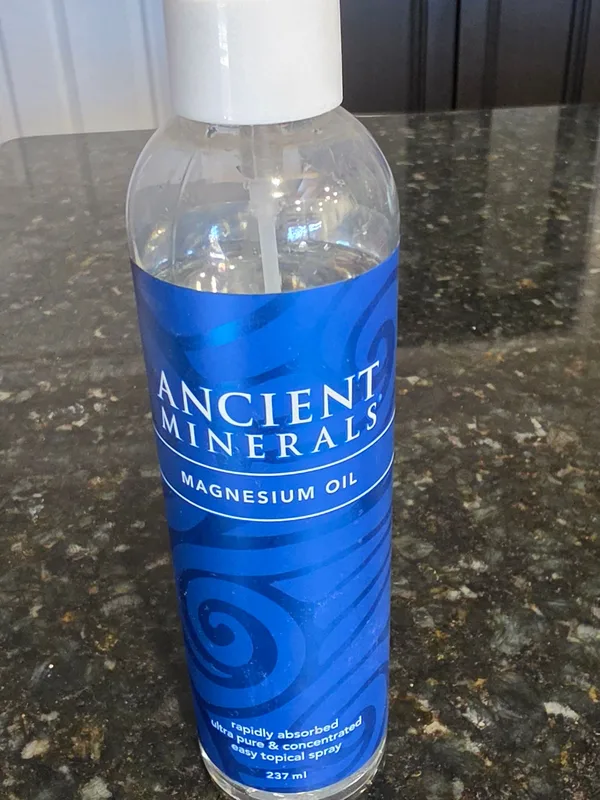
Rubbing into sore muscles
Ancient Minerals
Magnesium Oil Spray
The spray I use after a heavy day. Despite the name there's no oil in it, just concentrated magnesium chloride. Expect a tingle the first few times.
- Elemental magnesium100 mg per ml (about 6 sprays)
- PriceUS$11.95 for 4oz, US$18.95 for 8oz (roughly A$17 and A$27)
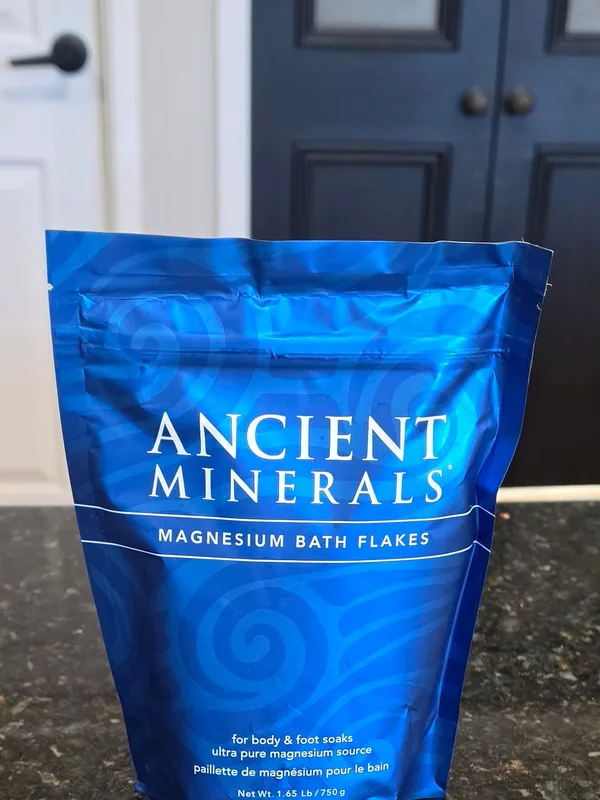
The evening bath
Ancient Minerals
Magnesium Bath Flakes
What I put in the bath once or twice a week. Single-ingredient magnesium chloride, no fragrance. Buy on price per kilogram; this is a commodity.
- PriceUS$10.95 for 1.65lb, US$22.95 for 4.4lb (roughly A$16 and A$33)
Australian dollar figures are approximate, converted at US$1 = A$1.42 (checked August 2026), and exclude international postage.
Sources: “Myth or Reality — Transdermal Magnesium?”, Gröber et al., Nutrients, 2017 (https://pmc.ncbi.nlm.nih.gov/articles/PMC5579607/); NIH Office of Dietary Supplements: Magnesium Fact Sheet (https://ods.od.nih.gov/factsheets/Magnesium-HealthProfessional/)
This article is general information, not medical advice.